Top Insights on Memory Care: Enhancing Safety, Convenience, and Engagement for Elders
Memory care for elders with cognitive impairments calls for a thoughtful method. Developing risk-free and encouraging environments is essential. Equally crucial are tailored care plans and specialized team training. Engaging tasks can foster connections and cognitive involvement. The integration of ingenious technologies likewise plays a substantial role. Recognizing how these aspects collaborate can cause better quality of life for elders. What are the vital elements that genuinely make a distinction in memory care?
Understanding Memory Care: Key Ideas and Meanings
When thinking about the intricacies of memory care, it is necessary to grasp the foundational ideas and meanings that form this customized field. Memory Care Charlotte. Memory care specifically addresses the demands of individuals with cognitive impairments, such as Alzheimer's disease and other forms of mental deterioration. This strategy incorporates customized programs, therapies, and assistance systems intended at boosting the high quality of life for impacted seniors. Secret components include embellished care strategies, which focus on personal histories and choices, along with specialized personnel training to successfully manage behavioral obstacles. Furthermore, memory care emphasizes the importance of keeping social connections and encouraging cognitive involvement with meaningful tasks. Comprehending these core principles makes it possible for caretakers and families to navigate the intricacies of memory care with greater compassion and efficiency

Creating Safe and Supportive Environments
Designing encouraging and safe atmospheres is necessary for people in memory care. Key considerations consist of safe and secure layout planning, the development of sensory-friendly areas, and reliable wayfinding and signs. These elements interact to enhance the well-being and comfort of residents.
Secure Layout Planning
Creating a secure format for memory care centers is essential for fostering a supportive and safe environment for residents. Thoughtful design minimizes hazards, such as guaranteeing smooth changes between spaces and using non-slip flooring to prevent drops. Clear signs and color-coded pathways can assist residents in traversing the environment independently, reducing complication and stress and anxiety. Furthermore, integrating protected outdoor spaces urges secure interaction with nature while reducing the risk of straying. The design needs to focus on visibility for team, allowing them to keep an eye on homeowners properly while advertising a feeling of area. On the whole, a tactical safe and secure design not only enhances safety but also sustains the self-respect and autonomy of people living with memory problems.
Sensory-Friendly Spaces
A protected format can serve as a structure for establishing sensory-friendly rooms within memory care facilities. These settings prioritize the sensory demands of locals, making use of design components that promote convenience and reduce stress and anxiety. Soft lights, soothing shades, and natural products can develop a calming atmosphere that motivates leisure. Integrating sensory stations with responsive items or comforting sounds can boost interaction and give therapeutic advantages. In addition, reducing too much noise and mess aids to develop a relaxed environment, enabling homeowners to feel protected and risk-free. Thoughtful landscape design, such as gardens with fragrant plants, can likewise boost sensory experiences. Ultimately, these style selections add to the total well-being of seniors, fostering a sense of belonging and serenity.
Wayfinding and Signs
Reliable wayfinding and signs play an important function in improving the security and self-reliance of locals within memory care facilities. Clear, user-friendly indications assist people browse their environment, lowering complication and anxiousness. Making use of huge, legible font styles and high-contrast colors can assist presence, while photographic signs can boost recognizing for those with cognitive problems. Furthermore, putting directional signs at key joints and making use of constant signs throughout the facility cultivates knowledge. Attentively developed pathways, noted with unique landmarks, can provide residents with referral factors, promoting self-confidence in their movements. By integrating these aspects, memory care settings can develop encouraging areas that encourage homeowners to check out safely, urging autonomy while minimizing the threat of disorientation or roaming.
Strategies for Enhancing Convenience and Wellness
While the challenges of memory care can be substantial, executing targeted strategies to boost comfort and health can exceptionally influence individuals coping with cognitive disabilities. Creating a soothing environment is crucial, integrating acquainted objects, comforting colors, and soft lights to promote leisure (Memory Care Charlotte). Regular routines can additionally help in reducing anxiety, supplying a sense of stability. Physical convenience should not be ignored; ensuring appropriate seats, temperature control, and availability to personal items can considerably enhance everyday experiences. In addition, fostering social connections with encouraging staff communications and family sees can help individuals really feel valued and understood. Generally, focusing on these techniques adds to a holistic technique that boosts the lifestyle for senior citizens in memory care setups
Advertising Engagement Via Meaningful Activities
Interaction in purposeful tasks plays an important role in enriching the lives of people in memory care. These tasks frequently promote a sense of function and belonging, permitting elders to attach with their previous experiences and rate of interests. Integrating pastimes, such as gardening, music, or art, can promote cognitive features and promote emotional well-being. Structured group activities also site link encourage social communication, lowering sensations of seclusion and improving neighborhood bonds. Tailoring tasks to specific preferences and capacities warranties that each resident really feels valued and involved. Routine involvement in meaningful searches can enhance mood and cognitive engagement, adding to a higher quality of life. On the whole, advertising engagement via these tasks is vital for the holistic care of elders in memory care settings.
The Role of Caretaker Training and Support
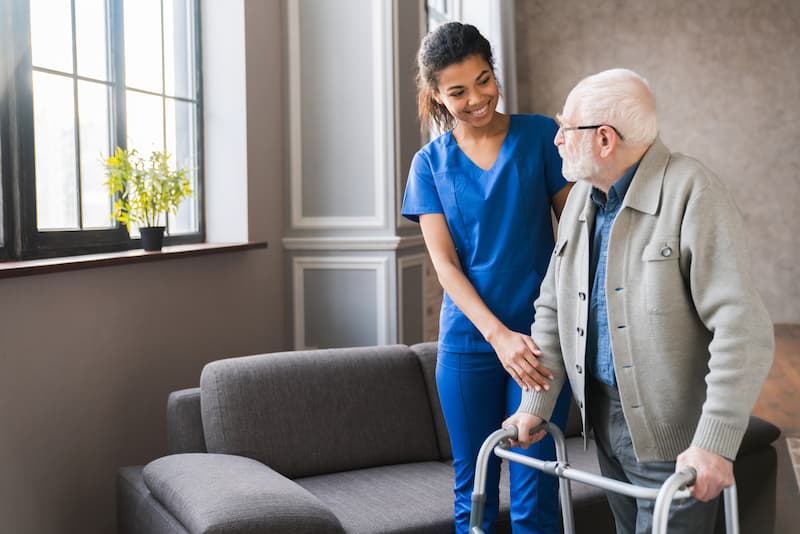
Thoughtful caregiver training and assistance are essential components in the effective shipment of memory care. Properly educated caregivers have the skills necessary to comprehend the distinct demands of individuals with memory problems, promoting a setting of depend on and safety. Training programs often highlight techniques for efficient communication, habits monitoring, and emotional assistance, which are important for boosting the quality of care. Furthermore, recurring support for caretakers is substantial, as it helps stop burnout and promotes work satisfaction. Accessibility to resources and peer networks can give caregivers with the assistance required to address difficulties with confidence. By spending in caregiver training and support, centers can assure that seniors receive the caring, enlightened care that enhances their general health and top quality of life.
Significance of Household Participation and Interaction
Although frequently ignored, family members participation and effective communication play a vital duty in the health of people receiving memory care. Active participation from relative promotes a complacency and belonging, which can greatly enhance the psychological health of elders. Normal interaction in between family members and care carriers warranties that individualized care strategies show the requirements and preferences of the individual. It additionally permits family members to stay educated regarding their loved ones' progress and obstacles, promoting prompt interventions when necessary. In addition, family members interaction can assist bridge the void in between caregivers and patients, promoting an extra natural support system. Ultimately, by focusing on communication and involvement, family members can contribute to a more helpful and enriched environment for those in memory care.
Cutting-edge Technologies in Memory Care Solutions
Ingenious technologies are changing memory care services, offering brand-new avenues for assistance and safety. Smart home tools and wearable health and wellness monitors play a crucial function in boosting the wellness of people with memory disabilities. These advancements not just facilitate far better monitoring but additionally promote self-reliance and a better of life.
Smart Home Instruments
Smart home gadgets are revolutionizing the landscape of memory care by anonymous supplying customized support for people with cognitive impairments. These innovations boost security and freedom, allowing senior citizens to browse their environments much more with confidence. Smart sensors can discover uncommon activity or emergencies, informing caretakers quickly. Voice-activated aides can aid users handle day-to-day regimens, reminding them to take medicines or participate in appointments. Furthermore, wise lights systems can adjust automatically, minimizing the threat of drops during the evening. Home automation fosters a sense of experience and comfort, as it can be personalized to individual choices. In general, these devices not only promote security yet also enhance the lifestyle for seniors, encouraging them to stay engaged and connected within their homes.
Wearable Health Monitors
Frequently Asked Questions
What Are the Early Indications of Memory Decrease in Elders?
Early signs of memory decline in seniors include often failing to remember current occasions, trouble remembering names or familiar places, confusion with time or dates, and challenges in complying with conversations or completing tasks that were when simple.
Exactly How Can I Select the Right Memory Care Center?
To select the ideal memory care center, one must consider staff qualifications, safety features, resident activities, family participation, and total setting. Seeing numerous centers and looking for suggestions can likewise offer important insights for informed decision-making.
What Economic Aid Options Are Readily Available for Memory Care?
Numerous monetary support options for memory care include Medicaid, experts' advantages, long-lasting care insurance, and state-specific programs. Families need to discover these opportunities to minimize the financial burden connected with specialized memory care solutions for seniors.
How Can I Assistance a Loved One With Memory Issues in the house?
Supporting a liked one with memory concerns at home involves preserving a regular, developing a safe setting, utilizing pointers, participating in purposeful activities, and cultivating open communication to improve their comfort and psychological wellness.
What Should I Consider When Seeing a Memory Care Center?
When visiting a memory care center, one ought to take into consideration the personnel's training, precaution, engagement tasks, cleanliness, and the total atmosphere. Memory Care Charlotte. In addition, observing interactions between homeowners and personnel can give important insights right into the environment
Memory care for senior citizens with cognitive problems requires a thoughtful method. Designing secure and supportive atmospheres is vital for people in memory care. Effective wayfinding and signage play an essential function in boosting the safety and self-reliance of homeowners within memory care facilities. While the difficulties of memory care can be considerable, applying targeted techniques to improve convenience and well-being can profoundly affect people living with cognitive problems. Various financial support choices for memory care consist of Medicaid, experts' benefits, long-term care insurance coverage, and state-specific programs.
Comments on “Why families trust Memory Care Charlotte for dementia focused support”